

Eagle Rock NC Electronics Recycling Makes A Difference
July 22, 2025 by Staff
Eagle Rock, NC, plays an essential role in responsible electronic waste recycling, affecting both the environment and public health positively. Through active recycling programs, residents contribute to significant landfill reduction and promote valuable resource recovery.
Local initiatives ensure safe management of hazardous materials, thus enhancing environmental protection.
With accessible resources available, residents can conveniently recycle a range of electronic devices, such as computers and small appliances, fostering a more eco-friendly community.
Click here to learn more about: free quote.bigmusclejunk.com
Importance of Electronic Waste Management
Effective electronic waste management holds significant importance, as improper disposal can lead to hazardous materials seeping into our soil and water systems.
North Carolina legislation mandates responsible handling of these materials, thereby safeguarding public health. Individuals can bolster this effort by utilizing recycling centers for their discarded electronics, donating viable items to local charities, and engaging in community recycling initiatives.
Environmental Effects of Improper E-Waste Disposal
Inadequate management of electronic waste poses substantial risks, including contamination of natural resources.
Hazardous substances such as lead, mercury, and cadmium, often found in devices like computers and televisions, can have detrimental effects on both the environment and human health. By adhering to proper disposal methods, residents play a key role in mitigating these risks.
Legal Framework for Responsible Handling
North Carolina’s regulations emphasize the importance of responsible electronics disposal.
These laws serve to maintain public safety and environmental sustainability.
By following established recycling guidelines, citizens ensure compliance and contribute to a healthier ecosystem.
Ways to Contribute to E-Waste Solutions
There are several practical steps individuals can take to improve e-waste practices:.
- Utilize local collection sites or convenience centers for safe drop-off of electronics.
- Participate in community recycling programs to enhance environmental awareness.
- Ensure devices have been properly wiped of personal data before disposal.
By embracing these practices, residents help minimize the environmental impact and foster a community focused on sustainability.
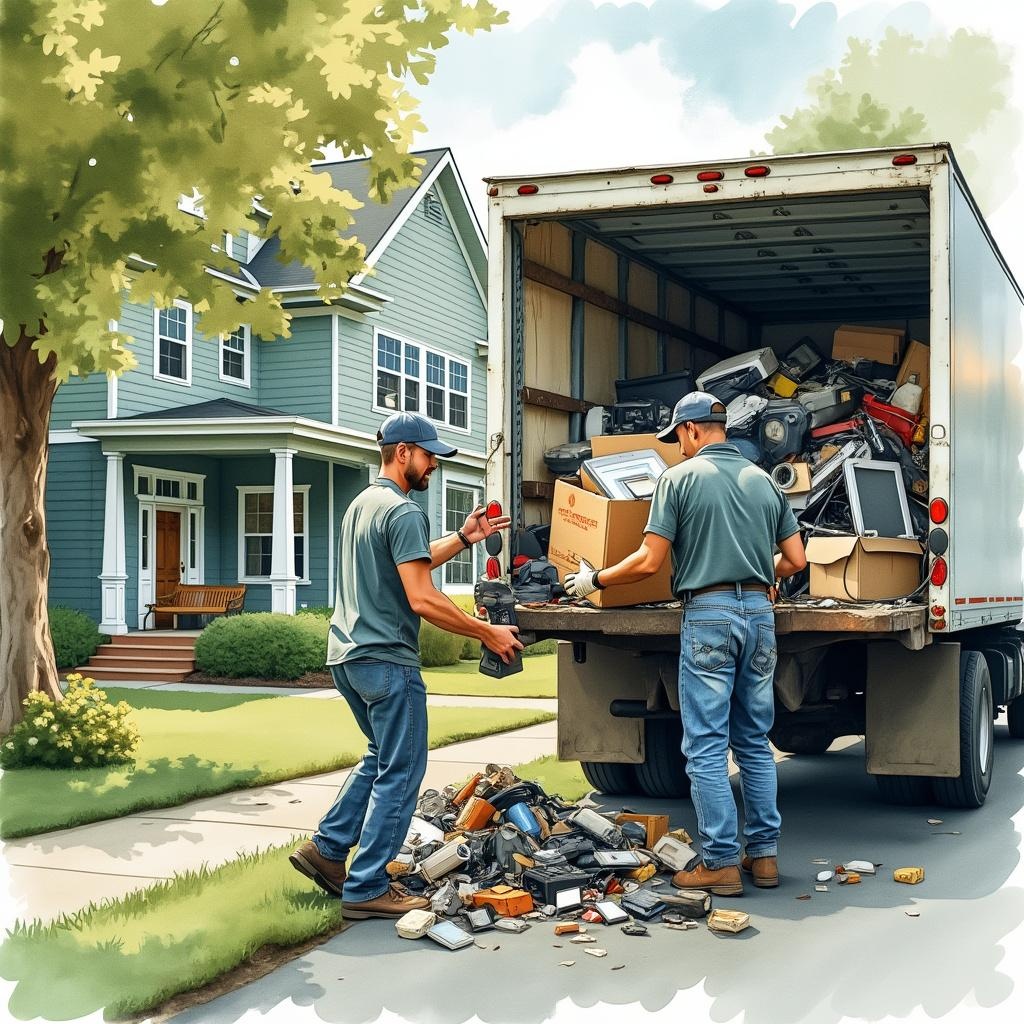
How to Find Recycling Centers
Locating nearby recycling centers is straightforward when utilizing various community resources. Community boards often showcase announcements about special recycling events and collection days, facilitating participation for local residents.
Websites dedicated to recycling options provide listings for various locations in Eagle Rock, NC.
A practical example involves entering Eagle Rock NC Electronics Recycling into Google or a navigation app, which will direct you to the nearest facilities.
- When searching, include keywords such as ewaste disposal and electronics donation to achieve effective results.
- Contact local waste management for assistance and to confirm operating hours.
These steps promote responsible disposal and contribute to environmental protection.
Understanding Hazardous Materials in E-Waste
Identification of hazardous materials plays a significant role in the safe recycling of electronics. Common hazardous substances, including lead, mercury, and cadmium, frequently appear in personal electronic devices. Improper disposal of these materials can lead to soil and water contamination, posing notable health risks. Awareness of these toxic chemicals aligns with local regulations and ensures compliance.
Effects of Hazardous Materials
Many households unknowingly contain hazardous materials in their electronic waste. This includes devices like computers, televisions, and monitors. Their improper disposal leads to the release of harmful substances into the environment, significantly impacting both ecological and public health.
Identifying Hazardous Items
An effective strategy to identify hazardous items is to check for specific symbols or labels on devices that indicate potentially harmful components. For example, older electronic waste may include CRT monitors, which can harbor dangerous chemicals.
- Always consult manufacturer guidelines or material safety data sheets (MSDS) for detailed information on your electronics.
- Familiarize yourself with local recycling guidelines to understand how to handle hazardous electronic materials correctly.
This awareness is essential to safeguard both personal health and the environment.
Recycling and Hazardous Materials
- Over 50 million metric tons of e-waste are generated globally each year, with only 20% being recycled properly.
- Lead from e-waste can leach into soil and water, causing significant environmental and health issues.
- Proper recycling of electronics can recover valuable materials, reducing the need for new resource extraction.
- Community recycling events can increase participation and awareness, leading to better disposal practices.
Benefits of Recycling Programs in Wake County
Participating in recycling programs in Wake County offers numerous advantages that extend beyond simple waste reduction. These initiatives significantly contribute to resource recovery by minimizing the need for virgin materials, thereby promoting energy efficiency across various sectors.
- Job creation emerges as another important benefit, stimulating local economies and supporting community engagement.
- The successful Wake County Electronics Recycling Day serves as a prime example of a local initiative, enabling residents to responsibly dispose of electronic waste and enhance their environmental impact.
Engaging in these recycling programs facilitates an increase in environmental protection efforts and encourages responsible disposal of materials, ultimately benefiting both the community and the planet.
What is Landfill Reduction and Its Impact
Landfill reduction represents a proactive approach to minimizing waste, particularly electronic waste (e-waste), which is often harmful to the environment. This practice plays a critical role in safeguarding our surroundings by preventing toxic materials from leaching into soil and water.
Significance of E-Waste Recycling
By recycling e-waste, we support sustainability initiatives that ensure recyclable components re-enter the manufacturing chain. Proper disposal and recycling of products such as computers, televisions, and other consumer electronics can significantly mitigate environmental risks.
Actionable Steps for Individuals
Individuals can actively contribute to landfill reduction by donating functional electronics instead of discarding them. Utilizing local recycling programs like Eagle Rock NC Electronics Recycling ensures responsible disposal and promotes community recycling.
To recycle your electronics effectively, check with approved local centers or the Wake County Solid Waste Division for a list of accepted items and designated drop-off times. For businesses or larger volumes, some services, such as UPCYCLE USA, offer scheduled pickups for bulk recycling.
| Benefit | Impact |
|---|---|
| Job Creation | Stimulates local economies and supports community engagement. |
| Environmental Protection | Reduces toxic materials leaching into soil and water. |
| Resource Recovery | Minimizes the need for virgin materials and promotes energy efficiency. |
| Community Involvement | Encourages responsible disposal of materials and enhances environmental impact. |
Guidelines for Responsible Disposal of Electronics
Responsible management of electronic waste is essential for safeguarding Eagle Rock’s environment. Improper disposal of electronics can lead to the release of hazardous materials such as lead, mercury, and cadmium, which can contaminate soil and water.
It is important to check local regulations to ensure compliance with the correct recycling guidelines for e-waste.
Accessible collection sites in Wake County provide safe drop-off options for unwanted devices, supporting community initiatives for landfill reduction.
Prior to disposal, consider data wiping for personal data security, which protects sensitive information while promoting a greener future.
Accepted Electronic Items for Recycling
Most recycling centers in North Carolina accept a variety of electronic products, including:.
- Desktop and laptop computers
- Televisions and computer monitors
- Printers, scanners, and peripherals
- Cell phones and tablets
- Audio/video equipment
- Small kitchen and household appliances
Environmental Impact of Responsible Disposal
Responsible e-waste recycling reduces landfill usage, minimizes toxic chemical leaks, and conserves natural resources by reclaiming metals and plastics.
This process supports job creation and contributes to the economic health of North Carolina while protecting the environment.
Exploring Sustainable Disposal Options
Innovative recycling practices in North Carolina emphasize the importance of sustainable disposal methods. Electronics donations can significantly benefit communities by reducing e-waste and providing working devices to those in need. Local charities and organizations in Eagle Rock facilitate this by accepting a variety of electronics, which promotes resource recovery.
Refurbishing and Upcycling
Refurbishing old devices extends their life cycle and minimizes contributions to landfills. Successful initiatives in Eagle Rock illustrate how community engagement fosters environmental protection and job creation through ecofriendly practices. Embracing these methods not only aids the planet but also encourages responsible consumption among residents.
How to Recycle Your Electronics
For effective electronics recycling, follow these guidelines:.
- Check approved local centers or the Wake County Solid Waste Division for accepted items and drop-off times.
- For businesses or large volumes, services like UPCYCLE USA offer scheduled pickups for bulk recycling.
- Ensure devices are wiped of personal data before drop-off for enhanced personal data security.
Responsible Electronics Disposal
- Improper disposal of e-waste can release hazardous materials that contaminate soil and water.
- Recycling electronics helps conserve natural resources by reclaiming valuable metals and plastics.
- Responsible e-waste recycling reduces landfill usage and minimizes toxic chemical leaks.
- Donating electronics not only helps those in need but also significantly reduces e-waste in communities.
How Data Wiping Ensures Personal Data Security
Personal data security is a significant concern, especially when disposing of electronic waste (e-waste) improperly. Data wiping is a crucial method that effectively removes sensitive information from devices like computers and smartphones, thus safeguarding against identity theft and data breaches during disposal.
Implementing responsible disposal methods ensures that electronic waste does not end up in landfills, where personal data can be exploited.
To securely wipe data, individuals should consider utilizing reliable data wiping software that adheres to industry standards and guidelines.
This proactive measure not only protects personal information but also aligns with sustainable practices, enhancing the overall efficacy of recycling programs and aiding in environmental protection.
“Responsible disposal of e-waste plays a pivotal role in ensuring personal data security and sustaining environmental balance. ”
Eagle Rock NC Electronics Recycling
Electronics recycling in Eagle Rock, NC is an integral part of North Carolina’s comprehensive effort to responsibly manage e-waste. This initiative protects the environment and facilitates the recovery of valuable materials.
Electronic devices, including computers, TVs, monitors, printers, and small appliances, contain hazardous substances like lead, mercury, and cadmium, which can contaminate soil and water if disposed of improperly.
Local recycling regulations in North Carolina necessitate responsible recycling practices. Dedicated electronics collection sites are available throughout the state, providing residents access to proper disposal options.
While specific Eagle Rock collection details are not explicitly outlined in state documents, nearby Wake County locations and regional convenience centers offer accessible drop-off services for residents.
These collection sites typically operate during set hours and accept a wide range of electronic products.
Accepted items at most North Carolina recycling centers include:
- Desktop and laptop computers
- Televisions and computer monitors
- Printers, scanners, and peripherals
- Cell phones and tablets
- Audio/video equipment
- Small kitchen and household appliances
How e-waste is processed involves transporting collected electronics to certified facilities. Here, they are sorted, dismantled, and processed. Recyclable components such as metals, plastics, and circuit boards are separated using both mechanical and manual methods. Hazardous materials are safely removed for proper disposal, while reclaimable materials are reintegrated into the manufacturing supply chain.
The environmental impact of responsible e-waste recycling is significant; it reduces landfill use, lowers the risk of toxic chemical leaks, and conserves natural resources by reclaiming valuable materials. This process also supports job creation within the recycling and manufacturing sectors, contributing positively to North Carolina’s environmental and economic health.
How to recycle your electronics:
- Check approved local centers or the Wake County Solid Waste Division for accepted items and drop-off times.
- For businesses or large volumes, services like UPCYCLE USA offer scheduled pickups for bulk recycling.
- Ensure devices are securely wiped of personal data before drop-off.
By utilizing proper electronics recycling services in Eagle Rock and surrounding areas, residents not only comply with state law but also actively protect North Carolina’s natural resources for future generations.
| Type of Electronic Waste | Hazardous Substances | Accepted Recycling Items |
|---|---|---|
| Computers | Lead, Mercury, Cadmium | Desktop and laptop computers |